
 Kapcsolat
 Hogyan vásároljunk
Kézbesítés
Vásárlási tanácsadó
 Angol
Angol
 68 b
68 b
30 nap a termék visszaküldésére

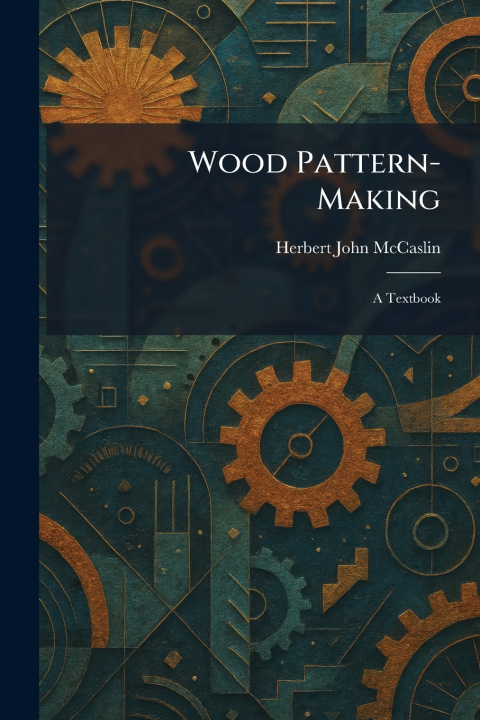
"Wood Pattern-Making; A Textbook" is a comprehensive guide to the specialized craft of creating wooden patterns used in metal casting and foundry work. Written by Herbert John McCaslin, this instructional manual serves as a fundamental resource for students, apprentices, and professional woodworkers alike. The book meticulously covers the principles and practices of pattern construction, detailing the tools, materials, and techniques essential for producing accurate molds for industrial use.
Through a series of progressive exercises and clear explanations, the work explores the intricacies of draft, shrinkage, and finish, as well as the construction of complex core boxes. It provides practical insights into the relationship between the pattern shop and the foundry, ensuring that the reader understands the entire manufacturing lifecycle from initial design to final cast. The text is specifically designed to develop both technical skill and problem-solving abilities within the context of industrial production.
This textbook stands as a significant historical document of early 20th-century industrial education, offering timeless knowledge on a craft that bridges the gap between manual design and physical fabrication. Its structured approach and focus on precision make it an invaluable reference for those interested in the history of technology, traditional manufacturing processes, or technical woodworking mastery.
This work has been selected by scholars as being culturally important, and is part of the knowledge base of civilization as we know it. This work was reproduced from the original artifact, and remains as true to the original work as possible. Therefore, you may see the original copyright references, library stamps (as most of these works have been housed in our most important libraries around the world), and other notations in the work.
This work is in the public domain in the United States of America, and possibly other nations. Within the United States, you may freely copy and distribute this work, as no entity (individual or corporate) has a copyright on the body of the work.
As a reproduction of a historical artifact, this work may contain missing or blurred pages, poor pictures, errant marks, etc. Scholars believe, and we concur, that this work is important enough to be preserved, reproduced, and made generally available to the public. We appreciate your support of the preservation process, and thank you for being an important part of keeping this knowledge alive and relevant.


Információ a könyvről
Angol
