
 Kapcsolat
 Hogyan vásároljunk

Kézbesítés
Vásárlási tanácsadó
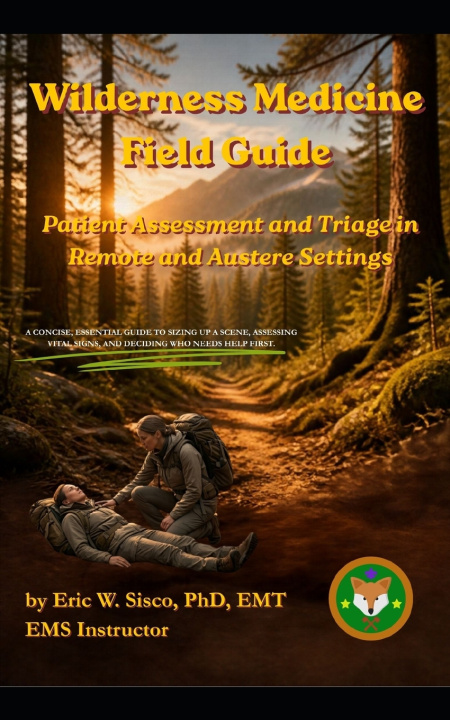
Wilderness Medicine Field Guide
Patient Assessment and Triage in Remote and Austere Settings
 Angol
 38 b
 Hamarosan
 Új
Akár 30 napos visszaküldési lehetőség

When help is hours away, knowing what to do first can make all the difference.
You find someone injured on a remote trail. There is no ambulance. No emergency department is minutes away. You may be the only person available to assess the patient, recognize what is life-threatening, and decide what needs to happen next.
Wilderness Medicine Field Guide: Patient Assessment and Triage in Remote and Austere Settings is a practical guide to making those decisions when definitive medical care is far away.
This is not simply a book about treating injuries. It is about how to assess a patient, establish priorities, recognize deterioration, and make informed decisions in an environment where time, equipment, personnel, and communications may all be limited.
Inside, you'll learn how to:
• Assess a scene for hazards before you become the second patient
• Perform a structured X-ABCDE primary survey and identify immediate threats to life
• Take a focused patient history using SAMPLE and OPQRST
• Interpret vital signs as trends rather than isolated numbers
• Understand how altitude, cold, heat, and environmental conditions can affect assessment
• Assess and prioritize multiple casualties using START and RPM
• Recognize warning signs that may indicate the need for urgent evacuation
• Communicate useful patient information to search and rescue teams and incoming medical providers
• Document your assessment and care using a SOAP-style approach
• Use a concise field checklist to reinforce the assessment process when you need it most
Built for the realities of remote care
Wilderness and austere environments present problems that standard first-aid scenarios often do not. A patient may deteriorate while evacuation is being arranged. Communications may be unreliable. Weather may change. Definitive care may be hours away.
This guide emphasizes structured assessment and clinical reasoning so you can move beyond simply asking, "What injury do I see?" and begin asking the more important questions: What can kill this patient first? What is changing? What do I need to do now? And when is it time to evacuate?
The book draws on wilderness medicine guidance and peer-reviewed medical literature and addresses commonly taught practices that have evolved over time. It also examines important limitations in traditional assessment approaches, including the blood-pressure-by-pulse-location rule and assumptions about skin signs that may not reliably apply across all skin tones.
Medical claims are supported by citations throughout the book, with a complete reference list for readers who want to explore the evidence further.
Who is this book for?
• Hikers and backpackers
• Scout leaders and outdoor instructors
• Search and rescue volunteers
• Wilderness responders
• EMS professionals and students
• Outdoor and expedition leaders
• Preparedness-minded individuals
• Anyone who travels or works far from definitive medical care
Whether you're preparing for a wilderness adventure, developing your outdoor medical skills, supporting a search and rescue team, or simply want to be better prepared when help is not immediately available, this field guide gives you a structured approach to patient assessment and triage in remote environments.
Learn the assessment. Recognize the threats. Make the decisions.
Wilderness Medicine Field Guide: Patient Assessment and Triage in Remote and Austere Settings is part of the Gilwell Fox Wilderness Medicine Field Guide series, written by an EMS educator and disaster-response professional with more than two decades of experience in emergency response, disaster operations, and humanitarian assistance.


Információ a könyvről
Angol

Ajándékozza oda ezt a könyvet még ma
Nagyon egyszerű
1 Tegye a kosárba könyvet, és válassza ki a kiszállítás ajándékként opciót 2 Rögtön küldjük Önnek az utalványt 3 A könyv megérkezik a megajándékozott címéreSzia! Libroamiko vagyok, a könyvtanácsadód.
Miben segíthetek?