
 Kapcsolat
 Hogyan vásároljunk
Kézbesítés
Vásárlási tanácsadó
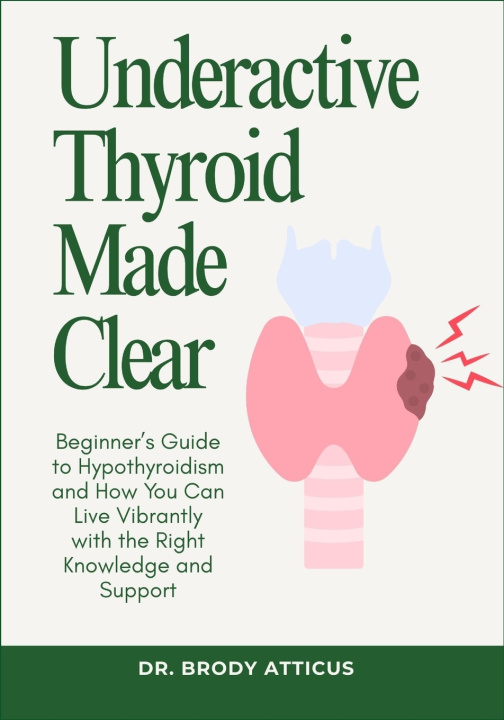
Underactive Thyroid Made Clear
Beginner's Guide to Hypothyroidism and How You Can Live Vibrantly with the Right Knowledge and Support
 Angol
Angol
 29 b
29 b
30 nap a termék visszaküldésére

Your thyroid is small-about the size and shape of a butterfly-but its role in your health is nothing short of remarkable. Nestled just below your Adam's apple at the base of your neck, this tiny gland quietly orchestrates a symphony of bodily functions. It influences your metabolism, energy levels, mood, heart rate, digestion, body temperature, and even how your skin and hair look. When it's working well, you rarely think about it. But when it slows down, life can change in ways you never imagined.
An underactive thyroid, medically called hypothyroidism, is far more common than many people realize. Millions of people around the world-especially women-live with the condition, often without knowing it. The symptoms can start subtly, blending in with everyday fatigue, weight fluctuations, or mood changes. Many people chalk them up to stress, aging, or a busy lifestyle. But beneath the surface, the thyroid's reduced hormone production is quietly affecting nearly every system in the body.
The challenge is that hypothyroidism is not a one-size-fits-all condition. For some, it's triggered by autoimmune disorders like Hashimoto's thyroiditis. For others, it develops after pregnancy, as a side effect of medication, following radiation or surgery, or simply due to the natural aging process. And in some cases, the cause is never fully identified. This variability means that symptoms, severity, and treatment approaches can differ greatly from person to person.
Living with hypothyroidism can be frustrating. You may feel drained even after a full night's sleep, notice stubborn weight gain despite healthy eating, or struggle with brain fog when you need to focus. Your hair may become brittle, your skin dry, and your mood more unpredictable. For some, the emotional toll is as heavy as the physical one-feelings of frustration, discouragement, and even depression can creep in, especially if the condition is not properly diagnosed or managed.
This book was written to guide you through that process. Whether you were recently diagnosed, have been living with hypothyroidism for years, or suspect your thyroid might be slowing down, this resource will help you:
- Understand your thyroid-what it does, how it works, and why it matters.
- Recognize symptoms early, so you can get help before they significantly impact your life.
- Learn about causes and risk factors, so you can better advocate for your health.
- Explore diagnostic testing, from basic blood work to more detailed assessments.
- Understand treatment options, including medications, dosing adjustments, and natural support strategies.
- Adopt lifestyle changes that can improve your energy, mood, and overall well-being.
- Navigate emotional challenges, finding ways to maintain a positive outlook even during difficult days.
In this book, we'll demystify medical jargon, dispel common myths, and walk step-by-step through what it really takes to live well with hypothyroidism. Think of this not just as a book, but as a trusted companion-one that helps you navigate appointments, make sense of lab results, and make informed decisions about your health.
Your thyroid may be underactive, but with the right care, you don't have to be. Let's begin this journey together.


Információ a könyvről
Angol
Kategória
