
 Kapcsolat
 Hogyan vásároljunk
Kézbesítés
Vásárlási tanácsadó
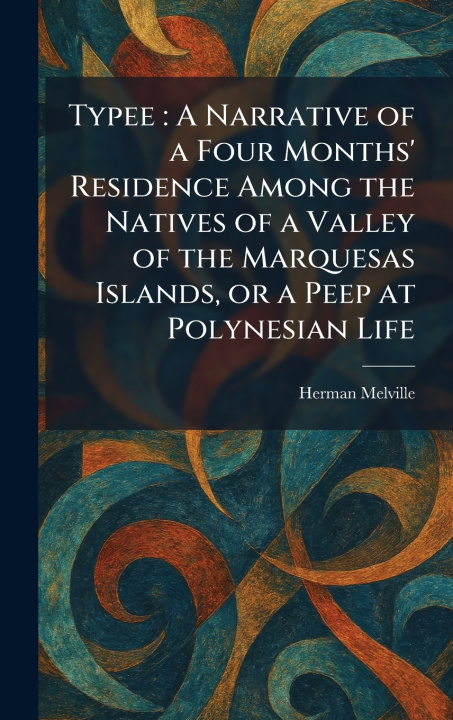
Typee
A Narrative of a Four Months' Residence Among the Natives of a Valley of the Marquesas Islands, or a Peep at Polynesian Life
 Angol
Angol
 85 b
85 b
30 nap a termék visszaküldésére

"Typee" is a captivating blend of adventure, travelogue, and semi-autobiographical fiction that marked the literary debut of Herman Melville. Based on the author's own experiences in the mid-19th century, the narrative follows two sailors, Tommo and Toby, who desert their whaling ship in the Marquesas Islands. Seeking refuge, they find themselves in the secluded valley of the Typee, a tribe rumored to be fierce cannibals.
Throughout their four-month stay, the protagonist experiences a profound immersion into Polynesian life, observing the customs, social structures, and daily rituals of the islanders. Melville masterfully navigates the tensions between the perceived "savagery" of the natives and the supposed "civilization" of the Western world, often casting a critical eye on the impact of colonial influence. Part gripping survival story and part ethnographic study, "Typee" offers a lush and detailed portrait of a South Seas paradise.
This work remains a cornerstone of maritime literature, showcasing the vivid prose and philosophical depth that would later define Melville's masterpieces. Readers will find themselves transported to a world of breathtaking natural beauty and complex cultural encounters that continue to resonate in the modern imagination.
This work has been selected by scholars as being culturally important, and is part of the knowledge base of civilization as we know it. This work was reproduced from the original artifact, and remains as true to the original work as possible. Therefore, you may see the original copyright references, library stamps (as most of these works have been housed in our most important libraries around the world), and other notations in the work.
This work is in the public domain in the United States of America, and possibly other nations. Within the United States, you may freely copy and distribute this work, as no entity (individual or corporate) has a copyright on the body of the work.
As a reproduction of a historical artifact, this work may contain missing or blurred pages, poor pictures, errant marks, etc. Scholars believe, and we concur, that this work is important enough to be preserved, reproduced, and made generally available to the public. We appreciate your support of the preservation process, and thank you for being an important part of keeping this knowledge alive and relevant.


Információ a könyvről
Angol
