
 Kapcsolat
 Hogyan vásároljunk
Kézbesítés
Vásárlási tanácsadó
 Angol
Angol
 65 b
65 b
30 nap a termék visszaküldésére

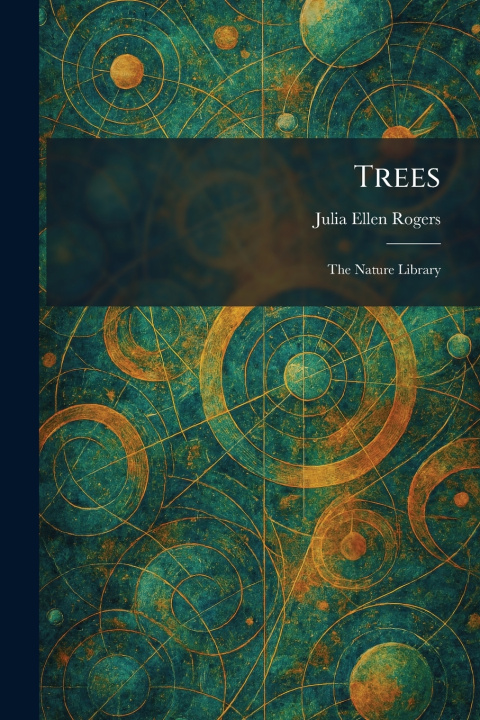
"Trees: The Nature Library" is a comprehensive and beautifully written guide to the arboreal world, designed to help readers identify and appreciate the diverse tree species of North America. Author Julia Ellen Rogers provides a detailed exploration of the life cycles, characteristics, and ecological importance of various trees, from the majestic oaks and pines to the delicate flowering dogwoods. This work serves as both an educational resource and a celebration of the natural world, offering clear instructions on how to recognize trees by their bark, leaves, fruits, and buds.
Written with a passion for conservation and nature study, this volume delves into the practical uses of different woods as well as the aesthetic value trees bring to the landscape. Rogers bridges the gap between technical botanical manuals and accessible nature writing, making complex scientific concepts understandable for the layperson. "Trees: The Nature Library" remains a valuable reference for anyone seeking to deepen their knowledge of forestry, dendrology, and the vital role that trees play in our environment. Whether used in the field or read at home, it stands as a timeless tribute to the beauty and utility of the forest.
This work has been selected by scholars as being culturally important, and is part of the knowledge base of civilization as we know it. This work was reproduced from the original artifact, and remains as true to the original work as possible. Therefore, you may see the original copyright references, library stamps (as most of these works have been housed in our most important libraries around the world), and other notations in the work.
This work is in the public domain in the United States of America, and possibly other nations. Within the United States, you may freely copy and distribute this work, as no entity (individual or corporate) has a copyright on the body of the work.
As a reproduction of a historical artifact, this work may contain missing or blurred pages, poor pictures, errant marks, etc. Scholars believe, and we concur, that this work is important enough to be preserved, reproduced, and made generally available to the public. We appreciate your support of the preservation process, and thank you for being an important part of keeping this knowledge alive and relevant.


Információ a könyvről
Angol
