
 Kapcsolat
 Hogyan vásároljunk
Kézbesítés
Vásárlási tanácsadó
 Angol
Angol
 65 b
65 b
Akár 30 napos visszaküldési lehetőség

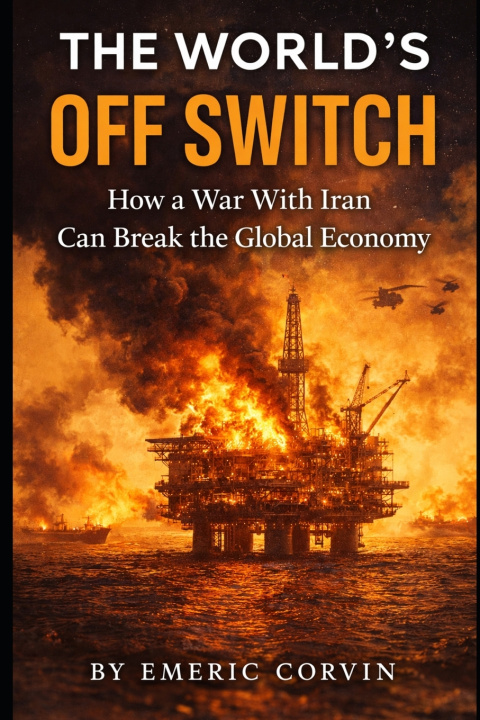
On February 28, 2026, United States and Israeli forces launched more than eleven thousand strikes against Iran's nuclear facilities, military infrastructure, and energy assets. Within hours, Iran closed the Strait of Hormuz. Within days, all five major container shipping companies had halted operations in the Persian Gulf. Within weeks, the world's largest LNG complex had gone offline, taking with it one-fifth of global liquefied natural gas and one-third of the world's helium supply simultaneously.
Everyone is talking about the oil. Nobody is talking about the rest.
The Strait of Hormuz carries twenty million barrels of oil per day. It also carries thirty percent of globally traded fertilizer, the natural gas that powers Japan's factories and South Korea's semiconductor fabs, the methanol that China's plastics industry depends on, and the helium that keeps MRI machines running and semiconductor fabrication plants operating. Iran produces thirty-nine percent of the world's strontium, the mineral in the permanent magnets of every electric vehicle and wind turbine on earth. The sulphur that transits these waters feeds the phosphate fertilizers that grow food for billions of people across Africa, South Asia, and Latin America.
The bypass capacity that governments said existed covers less than thirty percent of what moves through the strait. For liquefied natural gas, fertilizer, and helium, it covers zero percent. There is no alternative route. There is no strategic reserve. There is no coordination mechanism.
The World's Off Switch is the book about the supply chains a war with Iran is breaking that nobody mapped before they were gone. It tells the story of what is actually moving through those waters, how the insurance market closed the strait before a single anti-ship missile struck a commercial vessel, why Pakistan's farmers cannot get urea, why Africa's next harvest will be smaller than this one, why hospitals in countries with no connection to this war are rationing helium for MRI scans, and why the United States decommissioned its last minesweepers five months before the war started.
The oil story is the obvious story. This book tells everything else.


Információ a könyvről
Angol

Ajándékozza oda ezt a könyvet még ma
Nagyon egyszerű
1 Tegye a kosárba könyvet, és válassza ki a kiszállítás ajándékként opciót 2 Rögtön küldjük Önnek az utalványt 3 A könyv megérkezik a megajándékozott címéreSzia! Libroamiko vagyok, a könyvtanácsadód.
Miben segíthetek?