
 Kapcsolat
 Hogyan vásároljunk
Kézbesítés
Vásárlási tanácsadó
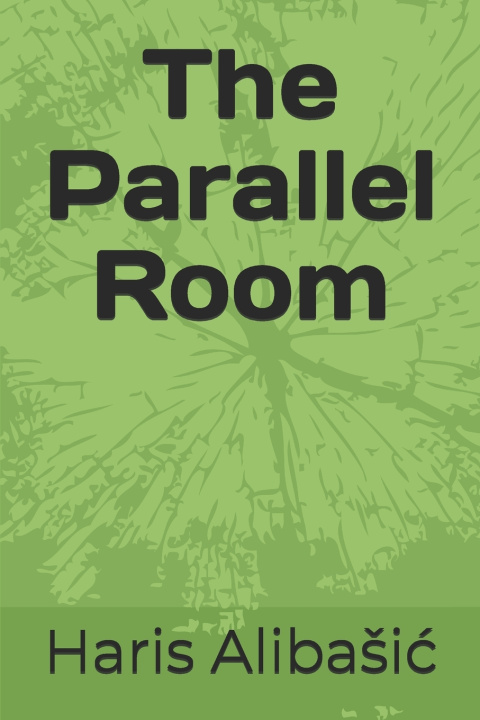
The Parallel Room
 Angol
Angol
 34 b
34 b
 Új
Új
30 nap a termék visszaküldésére

What happens when the person you love disappears without explanation-and the imagined future you built together refuses to vanish?
The Parallel Room is a literary exploration of heartbreak as architectural collapse. It is not a recovery story. It is a meditation on what the mind builds when reality withdraws permission to love. After three months of intensity-late-night phone calls, shared meals, and love for vinyl records-she goes silent. No explanation. No closure. Just absence where presence had been absolute. "I don't want to hurt you," she'd said. Then disappeared.
What follows is not grief in the conventional sense. It is the construction of an interior world-a parallel room where time waits, where conversations complete themselves, where the future that was promised continues to exist without her participation. This room is not a fantasy. It is an adaptive architecture. It is where meaning survives when reciprocity is revoked.
The Parallel Room approaches heartbreak with the rigor of not seeing it as something to overcome, but as a structure to inhabit with integrity.
The book unfolds across eighteen chapters and moves between:
- The external world where the narrator functions-teaching, DJing electronic music, raising children-appears intact, while carrying futures with no destination.
- The parallel room where he speaks to her presence, not for reunion but for coherence.
- Dream sequences where memory, imagination, and potentiality fracture into infinite timelines.
- Real encounters-a woman who looks like her, a married woman at a soccer game, a DJ, who represents the possibility that he cannot trust himself to pursue.
The book examines what happens after intense intimacy is withdrawn without warning-what psychology calls love bombing and ghosting, but what lived experience recognizes as something more complex: the sudden erasure of a world that had already begun to exist.
- About the violence of sudden emotional withdrawal.
- About care given and not returned.
- But more than that, it explores what happens when heart, brain, and soul refuse to separate after loss-when they continue collaborating in absence, building interior worlds to house what reality expelled too quickly.
Written for those who:
- Lost not just someone, but a future that had already begun to feel remembered.
- Understand that some heartbreaks resist completion because meaning was never disproven, only denied.
- Recognize that moving on sometimes requires rehousing love in a different reality.
This book is literary fiction that reads like philosophy. Memoir that respects privacy while excavating truth. A study of how people remain human after intimacy dissolves.
The prose is restrained, precise, and unsentimental. The structure mirrors psychological fracture-recursive, layered, resistant to linear resolution. Each chapter deepens rather than progresses. The book ends not with closure but with integration: the capacity to live fully in the fracture. If you've ever built a future in your mind only to have it revoked without explanation-if you've ever carried someone's absence like architecture-this book will recognize you without instruction and allow you to feel without being told what to feel.
For readers of:
- Maggie Nelson's Bluets;
- Jenny Offill's Dept. of Speculation
- Ben Lerner's 10:04


Információ a könyvről
Angol
