
 Kapcsolat
 Hogyan vásároljunk
Kézbesítés
Vásárlási tanácsadó
 Angol
Angol
 90 b
90 b
30 nap a termék visszaküldésére

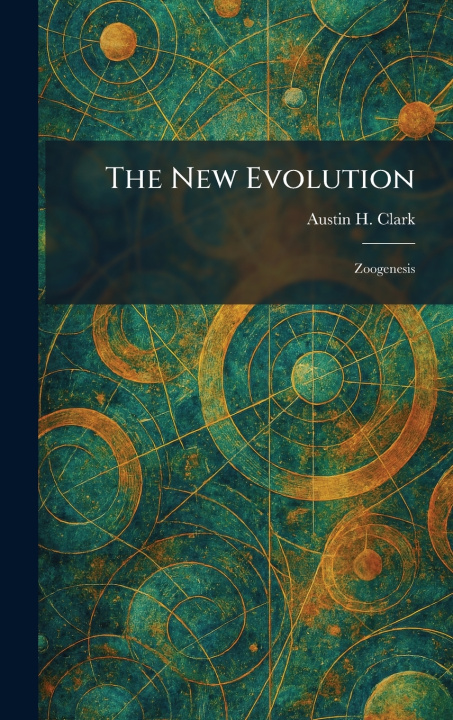
"The New Evolution: Zoogenesis" presents a provocative and historical perspective on the mechanisms of biological development and the origin of animal life. Written by the distinguished zoologist Austin H. Clark, this work introduces the concept of zoogenesis, a theory that challenges certain aspects of traditional Darwinian evolution. Clark argues that the major groups of animals emerged suddenly and fully formed, rather than through the gradual accumulation of minute variations over time.
Throughout the text, Clark examines the fossil record and the relationships between various phyla to support his hypothesis that evolution occurs in distinct, major leaps. The book delves into the complexities of animal morphology and the distribution of life forms, offering a unique bridge between early 20th-century biology and paleontology. By exploring the discontinuity in the biological record, "The New Evolution: Zoogenesis" remains a significant document in the history of evolutionary thought, reflecting the intellectual debates that shaped our modern understanding of the natural world.
This work is essential reading for students of the history of science, evolutionary biologists, and anyone interested in the diverse theories that have sought to explain the grand tapestry of life on Earth.
This work has been selected by scholars as being culturally important, and is part of the knowledge base of civilization as we know it. This work was reproduced from the original artifact, and remains as true to the original work as possible. Therefore, you may see the original copyright references, library stamps (as most of these works have been housed in our most important libraries around the world), and other notations in the work.
This work is in the public domain in the United States of America, and possibly other nations. Within the United States, you may freely copy and distribute this work, as no entity (individual or corporate) has a copyright on the body of the work.
As a reproduction of a historical artifact, this work may contain missing or blurred pages, poor pictures, errant marks, etc. Scholars believe, and we concur, that this work is important enough to be preserved, reproduced, and made generally available to the public. We appreciate your support of the preservation process, and thank you for being an important part of keeping this knowledge alive and relevant.


Információ a könyvről
Angol
