
 Kapcsolat
 Hogyan vásároljunk

Kézbesítés
Vásárlási tanácsadó
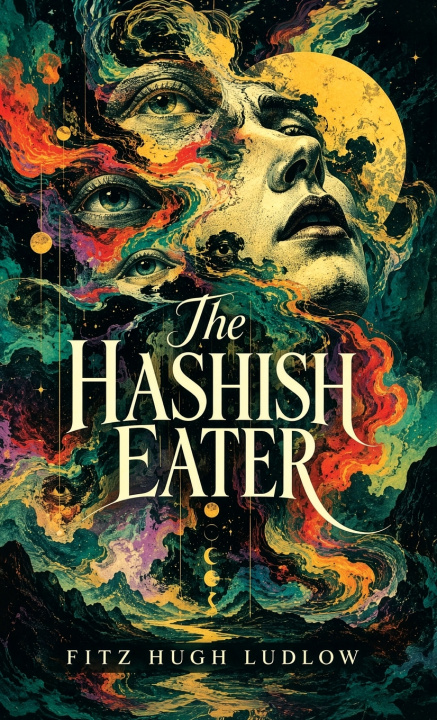
The Hashish Eater
A Nineteenth-Century Account of Hashish, Hallucination, Ecstasy, and Psychological Terror
 Angol
 69 b
 Új
Akár 30 napos visszaküldési lehetőség

What begins as an experiment in heightened perception becomes a journey through ecstasy, hallucination, and psychological terror. In The Hashish Eater, Fitz Hugh Ludlow recounts his youthful encounters with hashish, recording the extraordinary visions and unsettling mental changes that followed.
As a college student in the 1850s, Ludlow discovers a cannabis preparation and begins exploring its effects on consciousness. Under its influence, familiar surroundings seem transformed into vast imaginary landscapes; time stretches, ordinary sensations become overwhelming, and thoughts take on the force of revelations. His descriptions move through beauty and wonder, elaborate fantasies, and reflections on religion, philosophy, and the mysteries of the mind.
But the visions are not always exhilarating. Moments of rapture give way to confusion, dread, and a loss of control. As Ludlow returns to the drug, his account grows increasingly concerned with dependence and the disturbing distance between an experience that feels profound and the life he must inhabit afterward. Rather than offering a simple endorsement or denunciation, he presents the fascination and danger of his experiments in language as extravagant as the sensations he attempts to capture.
First published in 1857 as The Hasheesh Eater: Being Passages from the Life of a Pythagorean, the book belongs to the early history of American writing about intoxicants and altered states. At a time when cannabis was available in medicinal preparations but poorly understood by many readers, Ludlow drew on Romantic literature, religious imagery, and philosophical speculation to convey experiences for which he had few established terms.
Part personal confession, part visionary travelogue, and part psychological inquiry, The Hashish Eater offers an unusual view of nineteenth-century curiosity about the mind. Readers interested in drug literature, the history of consciousness, or richly imaginative autobiographical prose will find a work that is as troubling as it is mesmerizing-and whose warnings emerge from the author's own struggle to understand what he experienced.


Információ a könyvről
Angol

Ajándékozza oda ezt a könyvet még ma
Nagyon egyszerű
1 Tegye a kosárba könyvet, és válassza ki a kiszállítás ajándékként opciót 2 Rögtön küldjük Önnek az utalványt 3 A könyv megérkezik a megajándékozott címéreSzia! Libroamiko vagyok, a könyvtanácsadód.
Miben segíthetek?