
 Kapcsolat
 Hogyan vásároljunk
Kézbesítés
Vásárlási tanácsadó
 Angol
Angol
 58 b
58 b
 Új
Új
Akár 30 napos visszaküldési lehetőség

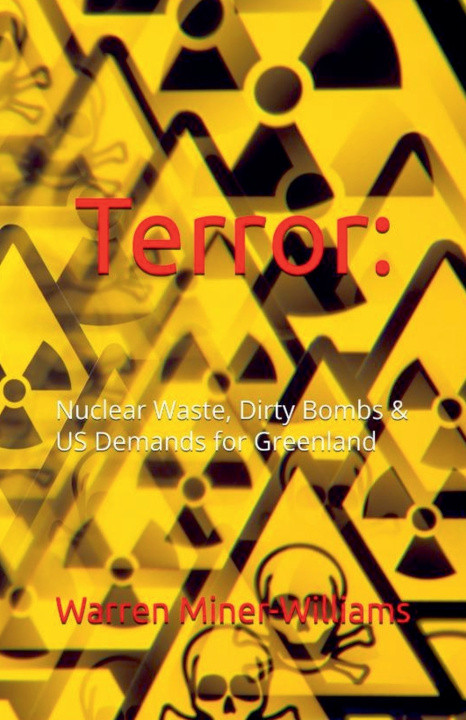
The world you are about to enter is closer to our reality than we might wish to believe.
Since returning to office in January 2025, Donald J. Trump has reshaped the global landscape with a speed and force that few anticipated, underscoring how pivotal these changes are to our collective future.
At the core of this transformation lies a decisive shift toward protectionism. Sweeping tariffs, including baseline import levies, have redrawn the contours of global trade and triggered economic tensions across continents. These policies, designed to prioritise domestic industries, have instead rippled outward, destabilising markets, straining partnerships, and forcing nations to reconsider their economic dependencies.
At the same time, the foundations of collective security have been tested. The North Atlantic alliance-long regarded as a cornerstone of Western stability-now faces unprecedented pressure. Trump's criticism, demands for increased defence spending, and even suggestions of withdrawal have unsettled allies and introduced a new era of strategic uncertainty.
This recalibration has extended beyond defence into global governance. The United States' withdrawal from international climate agreements and institutions such as the World Health Organisation has marked a retreat from multilateral cooperation. Programs once aimed at addressing shared challenges-from pandemics to climate change-have been scaled back or abandoned, leaving gaps in a system that once relied on collective action.
Yet perhaps the most striking feature of this new era is not isolation, but rather expansion.
Despite the rhetoric of "America First," U.S. power has not receded from the world; it has reasserted itself in more direct and forceful ways. Military interventions, aggressive diplomacy, and renewed interest in territorial influence reflect a doctrine that some analysts describe as Neo-Imperialist and active expansionism, a return to an earlier, more imperial vision of global order.
In this volatile, uncertain, and increasingly transactional environment, the traditional rules of international conduct have begun to erode.
This environment's volatility creates fertile ground for unforeseen disruptions, urging the audience to remain vigilant about emerging risks.
The book explores a chilling possibility: that beyond government actions, a clandestine network of billionaires, corporations, and covert operatives has begun to exploit this instability.
Their view is that a single catastrophic act-such as a cyberattack, a false flag operation, or a large-scale terrorist event-can achieve what years of policy cannot: destabilise alliances, manipulate markets, and force nations into submission.
The events depicted in this story are fictional; however, the forces that shape them draw from real-world trends: the fragility of global systems, the concentration of wealth and influence, and the blurring boundaries between state power and private ambition.
As you turn these pages, consider not only what is happening but also what could happen.
In a world already shifting beneath our feet, the unthinkable has a way of becoming possible.


Információ a könyvről
Angol

Ajándékozza oda ezt a könyvet még ma
Nagyon egyszerű
1 Tegye a kosárba könyvet, és válassza ki a kiszállítás ajándékként opciót 2 Rögtön küldjük Önnek az utalványt 3 A könyv megérkezik a megajándékozott címéreSzia! Libroamiko vagyok, a könyvtanácsadód.
Miben segíthetek?