
 Kapcsolat
 Hogyan vásároljunk
Kézbesítés
Vásárlási tanácsadó
 Angol
Angol
 82 b
82 b
30 nap a termék visszaküldésére

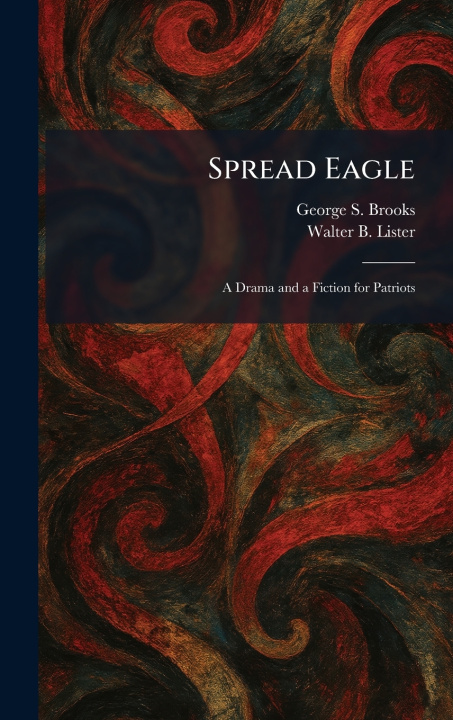
"Spread Eagle" is a sharp-edged drama and political satire that critiques the mechanisms of manufactured conflict and the exploitation of national sentiment. Set against the backdrop of industrial interests and international relations, the play exposes the calculated efforts of powerful figures to incite war for private gain under the guise of patriotism. Through its gripping narrative, the work examines how public opinion can be swayed by sensationalism and the strategic use of political symbols.
The story focuses on the cynical maneuvers of a wealthy financier who orchestrates a crisis to protect his investments, illustrating a timeless conflict between ethics and greed. By blending elements of a suspenseful fiction with a staged drama, George S. Brooks and Walter B. Lister provide a cynical yet illuminating look at the behind-the-scenes machinations of foreign policy and the human cost of interventionism. This work stands as a significant piece of early 20th-century American theater, offering a bold commentary on jingoism and the responsibilities of citizenship in a complex political landscape.
Written during the interwar period, "Spread Eagle" remains a relevant exploration of how patriots are made and used. Its biting dialogue and dramatic tension serve as a cautionary tale about the power of the press and the fragility of peace when confronted by the demands of commercial expansion.
This work has been selected by scholars as being culturally important, and is part of the knowledge base of civilization as we know it. This work was reproduced from the original artifact, and remains as true to the original work as possible. Therefore, you may see the original copyright references, library stamps (as most of these works have been housed in our most important libraries around the world), and other notations in the work.
This work is in the public domain in the United States of America, and possibly other nations. Within the United States, you may freely copy and distribute this work, as no entity (individual or corporate) has a copyright on the body of the work.
As a reproduction of a historical artifact, this work may contain missing or blurred pages, poor pictures, errant marks, etc. Scholars believe, and we concur, that this work is important enough to be preserved, reproduced, and made generally available to the public. We appreciate your support of the preservation process, and thank you for being an important part of keeping this knowledge alive and relevant.


Információ a könyvről
Angol
