Ingyenes szállítás 19 990 Ft feletti rendelés esetén – Packeta, Fox Post Box és DPD csomagpont átvétellel

Legyen része a világ minden tájáról összegyűlt könyvbarátok közösségének és élvezze a rengeteg előnyt.
Ingyenes regisztráció
Ingyenes szállítás a FoxPost futárszolgálattal, 19 990 Ft feletti vásárlás esetén
DPD gyűjtőpont 990 Ft
DPD futárszolgálat 1 190 Ft
GLS pont 1 190 Ft
Magyar Posta 1 795 Ft
PostaPont / Csomagautomata 1 690 Ft
Magyar Posta 1 690 Ft
FoxPost 1 190 Ft
Packeta 1 190 Ft
GLS futár 1 690 Ft
 Kapcsolat
 Hogyan vásároljunk
Segítség
Kézbesítés
DPD gyűjtőpont 990 Ft
DPD futárszolgálat 1 190 Ft
GLS pont 1 190 Ft
Magyar Posta 1 795 Ft
PostaPont / Csomagautomata 1 690 Ft
Magyar Posta 1 690 Ft
FoxPost 1 190 Ft
Packeta 1 190 Ft
GLS futár 1 690 Ft
Ingyenes szállítás a FoxPost futárszolgálattal, 19 990 Ft feletti vásárlás esetén
Vásárlási tanácsadó
Segíthetünk?
+36 9 6998 040
Saját fiók
▸
Üres :-(
0
Ingyenes szállítás 19 990 Ft feletti rendelés esetén – Packeta, Fox Post Box és DPD csomagpont átvétellel
RED-SHOULDERED HAWK HANDBOOK
The Complete Guide to Red-Shouldered Hawks: Behavior, Identification, Habitat, Hunting Skills, Vocalizations, and Conservation Awareness
Nyelv
 Angol
Angol
Angol
Könyv
Puha kötésű
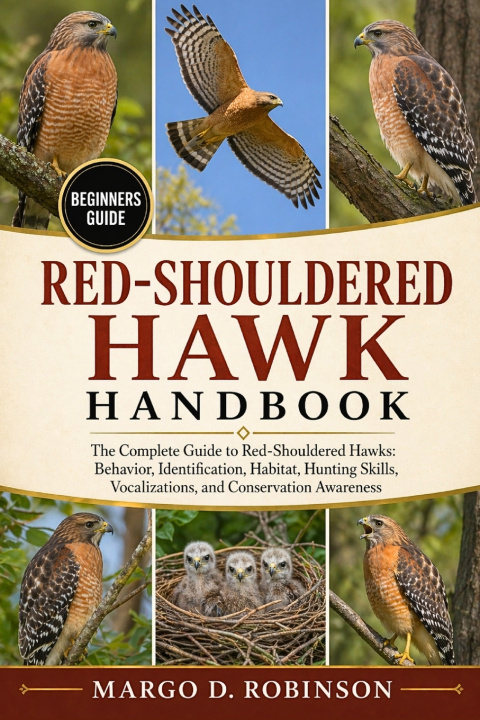
Introduction to the Red-Shouldered HawkA distinctive presence in the forest skyThe Red-shouldered Ha...
Teljes leírás
Libristo kód: 52236481
?
 46 b
46 b
 Új
Új
46 b
Új
6 968
Ft
Beszállítói készleten
Küldés 14-21 napon belül
Akár 30 napos visszaküldési lehetőség

Introduction to the Red-Shouldered Hawk
A distinctive presence in the forest sky
The Red-shouldered Hawk is one of the most recognizable yet often overlooked birds of prey in North America. Unlike the more commonly celebrated raptors that dominate open landscapes, this hawk is a creature of wooded environments, river corridors, and shaded canopies. Its presence is not always announced by dramatic soaring over wide plains but often revealed through sound-a sharp, repeated call echoing through trees-or a sudden glimpse of broad wings moving between trunks.What makes the red-shouldered hawk stand out is not only its appearance but the atmosphere it creates. It belongs to those species that seem deeply connected to their surroundings, moving with a familiarity that suggests long-term adaptation to forest life. It does not simply occupy the environment; it becomes part of it. The filtered light of wooded habitats, the stillness of wetlands, and the layered textures of foliage all serve as a backdrop for a bird that is both striking and subtle.
In many regions, people may hear this hawk long before they see it. Its call carries through the forest with clarity, often serving as a signal of its presence. This vocal nature sets it apart from many other birds of prey, giving it a unique role as both a visual and auditory element of its habitat.
Defining physical features
At first glance, the red-shouldered hawk presents a balanced and compact form typical of many members of the Accipitridae family. Yet closer observation reveals a series of features that distinguish it clearly from other hawks. Its body is medium-sized, with broad, rounded wings and a relatively long tail marked by distinct bands. These proportions support its style of flight, allowing it to navigate through forested environments with control and precision.
The most defining feature is found in the name itself: the reddish coloration along the shoulders and upper wings. This rich, warm tone contrasts with the barred pattern across the chest and underparts, creating a layered visual effect that becomes especially noticeable in good light. The head is often darker, framed by lighter markings that give the bird a focused and alert expression.
When in flight, the wings reveal additional patterns, including pale crescents that become visible against the darker feathers. These markings, combined with the steady wingbeats and occasional gliding, make the red-shouldered hawk identifiable even at a distance for those who know what to look for.
The tail, banded in alternating light and dark stripes, serves both as a stabilizing feature in flight and as a visual cue. When spread, it provides control during turns and descents, particularly in dense environments where maneuverability is essential.
A life tied to specific environments
The natural presence of the red-shouldered hawk is closely linked to habitats that provide both cover and access to food. Forests with mature trees, especially those near water sources such as rivers, swamps, or wetlands, offer ideal conditions. These environments support a wide range of prey and provide the structural complexity needed for nesting and hunting.
Színésznő
&
Poliglott
EWA KASP
részére
A videó lejátszása


A Libristo rendelkezik az idegennyelvű könyvek legnagyobb kínálatával. Ezért vásárolom a könyveket itt.
Információ a könyvről
Teljes megnevezés
RED-SHOULDERED HAWK HANDBOOK
Szerző
MARGO D. ROBINSON
Nyelv
Angol
Angol
Kötés
Könyv - Puha kötésű
Kiadás éve
2026
Oldalszám
144
EAN
9798258941831
Libristo kód
52236481
Kiadó
Independently published
Súly
204
Méretek
152 x 229 x 8

Ajándékozza oda ezt a könyvet még ma
Nagyon egyszerű
1 Tegye a kosárba könyvet, és válassza ki a kiszállítás ajándékként opciót 2 Rögtön küldjük Önnek az utalványt 3 A könyv megérkezik a megajándékozott címére
Libroamiko könyvtanácsadó
A chat használatával generatív mesterséges intelligenciával kommunikálsz. A használatával beleegyezel a személyes adatok kezelésébe is.
Szia! Libroamiko vagyok, a könyvtanácsadód.
Miben segíthetek?
Szia, Libroamiko vagyok, segíthetek?