
 Kapcsolat
 Hogyan vásároljunk
Kézbesítés
Vásárlási tanácsadó
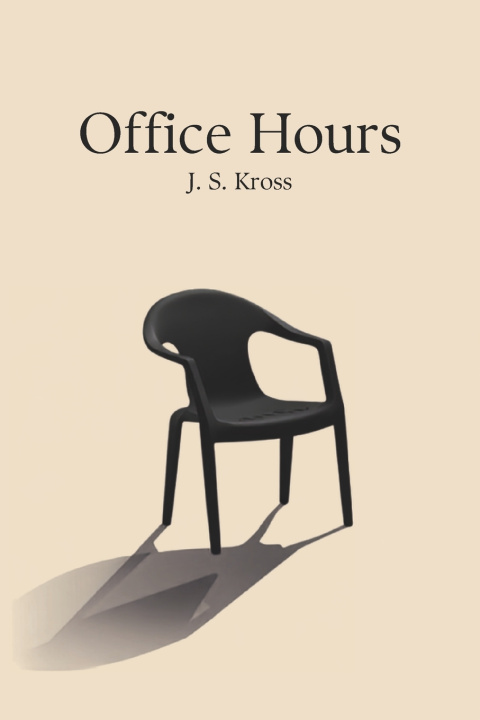
Office Hours
 Angol
Angol
 40 b
40 b
 Hamarosan
 Új
Új
Akár 30 napos visszaküldési lehetőség

The pines were planted in 1938 by a regime that liked things to stay where they were put.
Maria works in the fourth row.
She chose it after four days of thought: shade after eleven, a clean view of the northbound lane, and enough trunk between herself and the world that a family driving past would assume she was waiting for someone. Her office is a white plastic chair, a beach umbrella that was red in 2011, and a canvas bag held shut with a safety pin. She has been there thirty years. She pays tax. The State files her under other personal service activities not elsewhere classified, which is the most honest phrase it has ever produced.
The men arrive in their categories and the categories arrive at their hours. A lorryman with a daughter's dental bill. A quality director who will not take off his lanyard. A priest who eats an apple in the car, complains about the bishop, and pays the full amount. A widower who brings his own stool and describes his late wife's biscuit cake in a level of detail that constitutes a confession. What they come for is eleven minutes in which nobody requires them to be important.
Then the council builds a raised timber walkway through the pinewood, funded under a European programme for the promotion of coastal heritage, with interpretive signage and a car park for forty vehicles. Visitor numbers exceed projection by thirty-one per cent. Maria's takings rise eighteen per cent. And because the pinewood has become an asset, it must now be cleaned.
Nobody in this novel is a villain. Every document is correct. Every official is doing their job properly. That is the problem.
OFFICE HOURS is a novel about a woman nobody records, told through the paperwork of a country that records everything else.


Információ a könyvről
Angol

Ajándékozza oda ezt a könyvet még ma
Nagyon egyszerű
1 Tegye a kosárba könyvet, és válassza ki a kiszállítás ajándékként opciót 2 Rögtön küldjük Önnek az utalványt 3 A könyv megérkezik a megajándékozott címéreSzia! Libroamiko vagyok, a könyvtanácsadód.
Miben segíthetek?