
 Kapcsolat
 Hogyan vásároljunk
Kézbesítés
Vásárlási tanácsadó
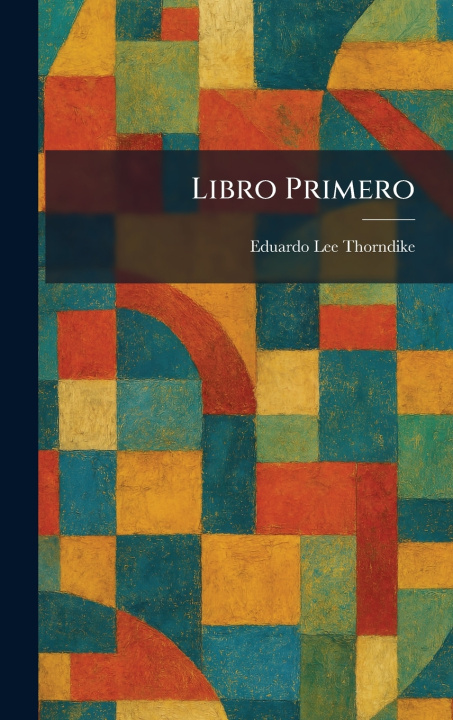
Libro Primero
 Spanyol
 90 b
90 b
30 nap a termék visszaküldésére

"Libro Primero" es una obra pedagógica fundamental diseñada para la instrucción inicial en el ámbito de las matemáticas y la aritmética. Escrito por el influyente psicólogo educativo Eduardo Lee Thorndike, este texto aplica principios cientÃficos del aprendizaje para facilitar la adquisición de habilidades numéricas en los estudiantes.
El contenido se organiza de manera progresiva, permitiendo que el alumno avance desde conceptos básicos hasta operaciones más complejas mediante una serie de ejercicios prácticos y problemas relacionados con la vida cotidiana. La metodologÃa de Thorndike se aleja de la simple memorización mecánica, buscando en cambio fortalecer las conexiones mentales y el razonamiento lógico necesario para dominar el cálculo elemental.
Esta obra es un testimonio histórico de la evolución de los materiales didácticos y sigue siendo de gran interés para educadores e historiadores de la pedagogÃa. Su enfoque estructurado y su claridad expositiva lo convierten en un recurso valioso para comprender los fundamentos de la enseñanza moderna y el desarrollo del pensamiento matemático en la etapa escolar primaria.
This work has been selected by scholars as being culturally important, and is part of the knowledge base of civilization as we know it. This work was reproduced from the original artifact, and remains as true to the original work as possible. Therefore, you may see the original copyright references, library stamps (as most of these works have been housed in our most important libraries around the world), and other notations in the work.
This work is in the public domain in the United States of America, and possibly other nations. Within the United States, you may freely copy and distribute this work, as no entity (individual or corporate) has a copyright on the body of the work.
As a reproduction of a historical artifact, this work may contain missing or blurred pages, poor pictures, errant marks, etc. Scholars believe, and we concur, that this work is important enough to be preserved, reproduced, and made generally available to the public. We appreciate your support of the preservation process, and thank you for being an important part of keeping this knowledge alive and relevant.


Információ a könyvről
Spanyol
