
 Kapcsolat
 Hogyan vásároljunk
Kézbesítés
Vásárlási tanácsadó
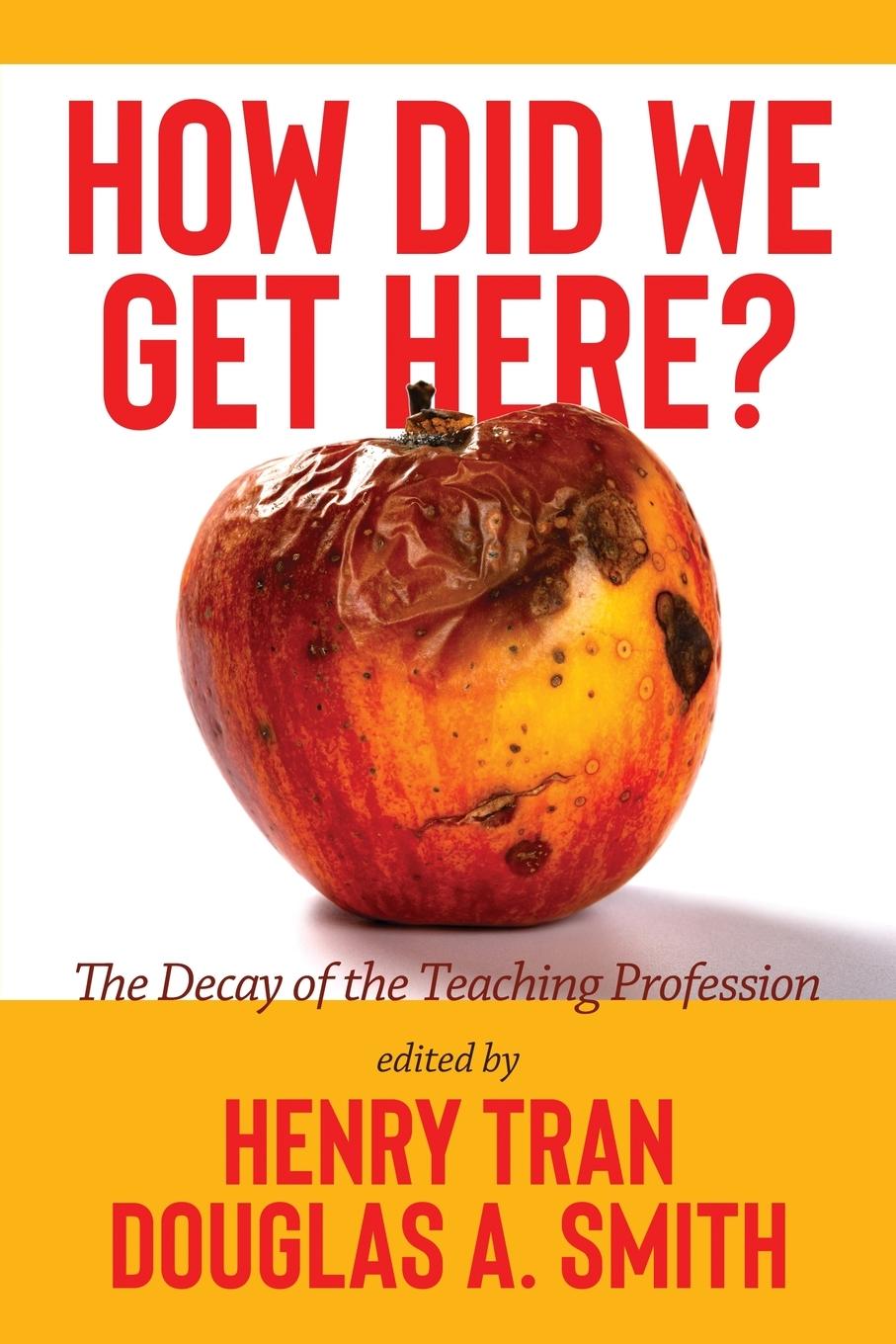
How Did We Get Here?
 Angol
Angol
 177 b
177 b
Akár 30 napos visszaküldési lehetőség
A vásárlók ilyet vásároltak














Teacher attrition is endemic in education, creating teacher quantity and quality gaps across schools that are often stratified by region and racialized nuance (Cowan et al., 2016; Scafidi et al., 2017). This reality is starkly reflected in South Carolina. Not too long ago, on May 1, 2019, a sea of approximately 10,000 people, dressed in red, convened at the state capital in downtown Columbia, SC (Bowers, 2019b). This statewide teacher walkout was assembled to call for the improvement of teachers' working conditions and the learning conditions of their students. The gathering was the largest display of teacher activism in the history of South Carolina and reflected a trend in a larger wave of teacher walkouts that have rippled across the nation over the last five years. The crowd comprised teachers from across South Carolina, who walked out of their classrooms for the gathering, as well as numerous students, parents, university faculty, and other community members that rallied with teachers in solidarity.
Undergirding this walkout and others that took hold across the country is a perennial and pervasive pattern of unfavorable teacher working conditions that have contributed to what some are calling a teacher shortage "crisis" (Chuck, 2019). We have focused our work specifically on the illustrative case of South Carolina, given the extreme teacher staffing challenges the state is facing. Across numerous metrics, the South Carolina teacher shortage has reached critical levels, influenced by teacher recruitment and retention challenges. For instance, the number of teacher education program completers has declined annually, dropping from 2,060 in 2014-15 to 1,642 in the 2018-19 school year. Meanwhile, the number of teachers leaving the teaching field has increased from 4,108.1 to 5,341.3 across that same period (CERRA, 2019). These trends are likely to continue as COVID-19 has put additional pressure on the already fragile teacher labor market.
Some of the hardest-to-staff districts are often located in communities with the highest diversity and poverty. To prosper and progress, reformers and public stakeholders must have a vested interest in maintaining full classrooms and strengthening the teaching workforce. An important element of progress towards tackling these longstanding challenges is to gain a comprehensive understanding of the problem. While teacher shortages are occurring nationwide (Garcia & Weiss, 2019), how they manifest regionally is directly influenced by its localized historical context and the evolution of the teaching profession's reputation within a state. Thus, the impetus of this book is to use South Carolina as an illustrative example to discuss the context and evolution that has shaped the status of the teaching profession that has led to a boiling point of mass teacher shortages and the rise of historic teacher walkouts.


Információ a könyvről
Angol

Ajándékozza oda ezt a könyvet még ma
Nagyon egyszerű
1 Tegye a kosárba könyvet, és válassza ki a kiszállítás ajándékként opciót 2 Rögtön küldjük Önnek az utalványt 3 A könyv megérkezik a megajándékozott címéreEzt is ajánljuk




 /
/
 Puha kötésű
 10 910
Ft
10 910
Ft



 /
Puha kötésű
28 492
Ft
/
Puha kötésű
28 492
Ft

Szia! Libroamiko vagyok, a könyvtanácsadód.
Miben segíthetek?