
 Kapcsolat
 Hogyan vásároljunk
Kézbesítés
Vásárlási tanácsadó
Historical Gold Artifacts
Archaeological Discoveries of the 1200-Year-Old Gold in Britain and Panama
 Angol
Angol
 41 b
41 b
Akár 30 napos visszaküldési lehetőség

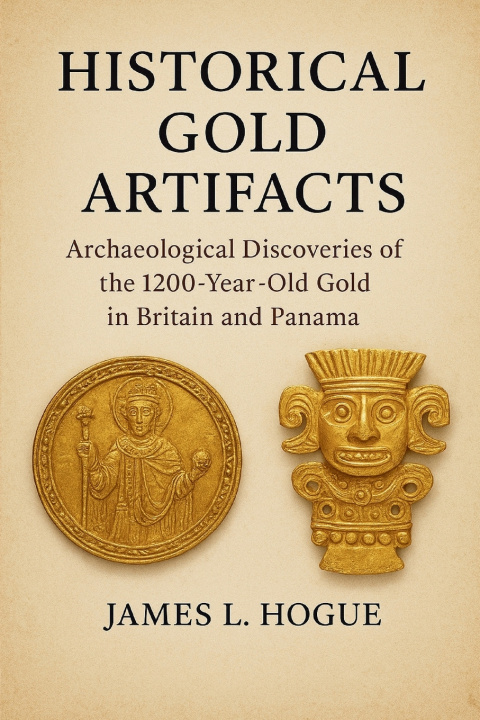
Historical Gold Artifacts: Archaeological Discoveries of the 1200-Year-Old Gold in Britain and Panama
Historical Gold Artifacts provides a remarkable discovery of a 9th-century gold medallion by Yara Souza, a novice archaeology student, during her first excavation in Northumberland, United Kingdom. This book traces the historical, cultural, and scholarly significance of the find, situating it within the context of early medieval Britain and drawing parallels with global archaeological discoveries, such as the pre-Hispanic tomb in Panama's El Caño archaeological park. Authored with precision and depth, the narrative brings together the personal triumph of Souza's journey, the history of the Dere Street corridor, and the legacy of ancient artifacts in shaping our understanding of human civilization.
The book begins with an exploration of Souza's path to archaeology, detailing her academic pursuits and the challenges she overcame to participate in the excavation. It examines the methodological rigor of the dig in Redesdale, Northumberland, where a gold medallion, a finely crafted object associated with elite culture, was unearthed near the historic Dere Street. This Roman road, later integrated into the modern A68 motorway, emerges as a vital thread connecting past and present, with the medallion offering insights into post-Roman societal dynamics. The text examines the artifact's material composition, potential religious or ceremonial functions, and the implications of its deliberate burial, as posited by experts like Professor James Gerrard.
Expanding its scope, the book draws compelling comparisons with the El Caño tomb, where the burial of a Coclé lord revealed a wealth of gold grave goods. These parallels detail shared human practices across continents, highlighting the universal use of precious materials to signify power and spirituality. The narrative also explores future directions for archaeological research, advocating for advanced analytical techniques, expanded excavations, and public engagement to preserve and interpret such finds. Through a blend of historical analysis, personal narrative, and cross-cultural comparison, the book offers a comprehensive examination of how artifacts bridge temporal and geographical divides.


Információ a könyvről
Angol
