
 Kapcsolat
 Hogyan vásároljunk
Kézbesítés
Vásárlási tanácsadó
 Angol
Angol
 55 b
55 b
30 nap a termék visszaküldésére

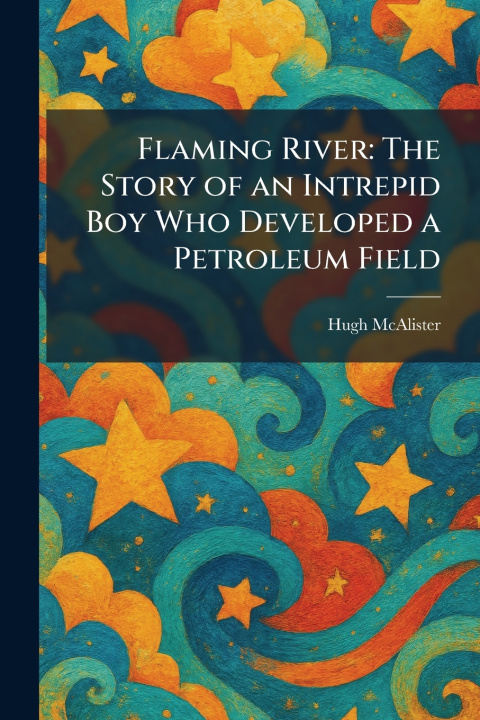
"Flaming River: The Story of an Intrepid Boy Who Developed a Petroleum Field" is a classic adventure tale that captures the ambitious spirit of early 20th-century industrial America. The story follows a courageous young protagonist who ventures into the burgeoning world of oil exploration, navigating the high-stakes environment of the petroleum industry. Set against a backdrop of rapid technological advancement and the untamed landscapes of oil fields, the narrative details the challenges of drilling, the dangers of the trade, and the ingenuity required to succeed in a volatile market.
Author Hugh McAlister masterfully blends technical details of oil production with a fast-paced coming-of-age story, highlighting themes of perseverance, business acumen, and scientific curiosity. As the protagonist faces both natural and man-made obstacles, readers gain insight into the historical development of energy resources and the bold personalities who shaped the modern industrial age. This work serves as an engaging example of early juvenile fiction that aimed to inspire young readers with the possibilities of engineering and entrepreneurship. With its focus on discovery and determination, "Flaming River" remains a compelling look at the American dream during the height of the industrial revolution.
This work has been selected by scholars as being culturally important, and is part of the knowledge base of civilization as we know it. This work was reproduced from the original artifact, and remains as true to the original work as possible. Therefore, you may see the original copyright references, library stamps (as most of these works have been housed in our most important libraries around the world), and other notations in the work.
This work is in the public domain in the United States of America, and possibly other nations. Within the United States, you may freely copy and distribute this work, as no entity (individual or corporate) has a copyright on the body of the work.
As a reproduction of a historical artifact, this work may contain missing or blurred pages, poor pictures, errant marks, etc. Scholars believe, and we concur, that this work is important enough to be preserved, reproduced, and made generally available to the public. We appreciate your support of the preservation process, and thank you for being an important part of keeping this knowledge alive and relevant.


Információ a könyvről
Angol
