
 Kapcsolat
 Hogyan vásároljunk
Kézbesítés
Vásárlási tanácsadó
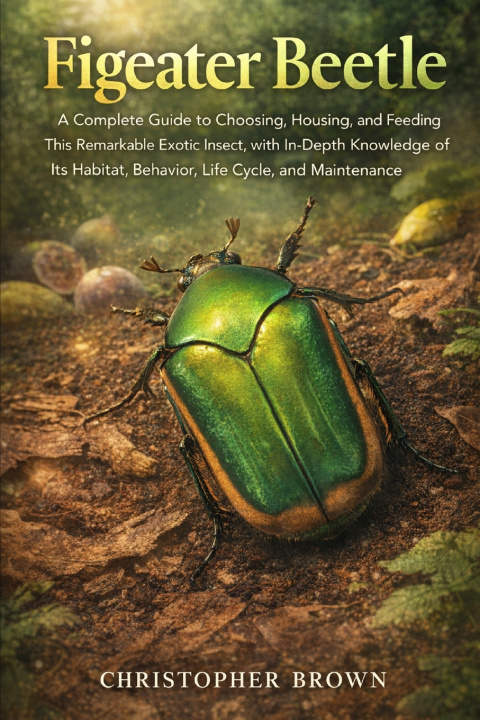
Figeater Beetle
A Complete Guide to Choosing, Housing, and Feeding This Remarkable Exotic Insect, with In-Depth Knowledge of Its Habitat, Behavior, Life Cycle, and Maintenance.
 Angol
Angol
 52 b
52 b
Akár 30 napos visszaküldési lehetőség

The Figeater beetle is a large, visually striking insect belonging to the scarab beetle family. Known for its metallic green coloration and loud buzzing flight, this beetle is one of the most recognizable insects in regions where it naturally occurs. Scientifically classified under the species Cotinis mutabilis, the figeater beetle is closely related to other scarabs such as June beetles and flower chafers.
At first glance, the figeater beetle captivates observers with its shimmering body, which reflects shades of green, gold, and sometimes bronze under sunlight. Its robust, oval-shaped body is typically about 2 to 3 centimeters long, making it relatively large compared to many common beetles. The underside is often a glossy metallic tone, while the upper side may appear velvety or slightly duller, giving it a unique contrast in texture and appearance.
One of the defining features of the figeater beetle is its mode of flight. Unlike many insects that glide smoothly through the air, this beetle produces a loud, noticeable buzzing sound when flying. This sound often alerts people to its presence even before it is seen. Its flight pattern can appear clumsy or erratic, but it is actually well-adapted for navigating through trees and dense vegetation.
The name "figeater" comes from its fondness for soft, ripe fruits-particularly figs. However, its diet is not limited to figs alone. It also feeds on a variety of fruits such as peaches, plums, grapes, and berries. This feeding behavior plays an important role in both its ecological function and its occasional classification as a garden pest.
From a biological standpoint, the figeater beetle undergoes complete metamorphosis, meaning it passes through four distinct life stages: egg, larva, pupa, and adult. Each stage is unique in structure, behavior, and habitat preference, contributing to the insect's overall adaptability and survival.


Információ a könyvről
Angol
Kategória

Ajándékozza oda ezt a könyvet még ma
Nagyon egyszerű
1 Tegye a kosárba könyvet, és válassza ki a kiszállítás ajándékként opciót 2 Rögtön küldjük Önnek az utalványt 3 A könyv megérkezik a megajándékozott címéreSzia! Libroamiko vagyok, a könyvtanácsadód.
Miben segíthetek?