Kapcsolat
 Hogyan vásároljunk
Kézbesítés
Vásárlási tanácsadó
 Angol
Angol
 195 b
195 b
Akár 30 napos visszaküldési lehetőség
A vásárlók ilyet vásároltak












 /
/
 Puha kötésű
 3 604
Ft
3 604
Ft






 /
Puha kötésű
7 723
Ft
/
Puha kötésű
7 723
Ft






 /
Puha kötésű
9 195
Ft
/
Puha kötésű
9 195
Ft

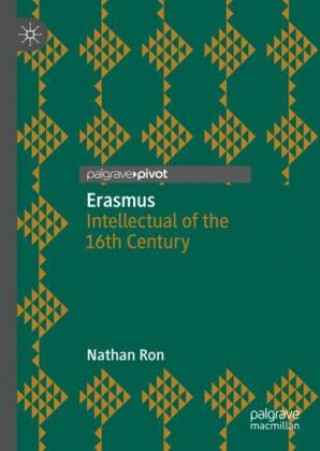
This book is a sequel to Nathan Ron's Erasmus and the "Other." Should we consider Erasmus an involved or public intellectual alongside figures such as Machiavelli, Milton, Locke, Voltaire, and Montesquieu? Was Erasmus really an independent intellectual? In Ron's estimation, Erasmus did not fully live up to his professed principles of Christian peace. Despite the anti-war preaching so eminent in his writings, he made no stand against the warlike and expansionist foreign policies of specific European kings of his era, and even praised the glory won by Francis I on the battlefield of Marignano (1515). Furthermore, in the face of Henry VIII's execution of his beloved Thomas More and John Fisher, and the atrocities committed by the Spanish against indigenous peoples in the New World, Erasmus preferred self-censorship to expressions of protest or criticism and did not step forward to reproach kings of their misdeeds or crimes.


Információ a könyvről
Angol

Ajándékozza oda ezt a könyvet még ma
Nagyon egyszerű
1 Tegye a kosárba könyvet, és válassza ki a kiszállítás ajándékként opciót 2 Rögtön küldjük Önnek az utalványt 3 A könyv megérkezik a megajándékozott címéreEzt is ajánljuk











 /
Puha kötésű
21 833
Ft
/
Puha kötésű
21 833
Ft
 /
Puha kötésű
26 109
Ft
/
Puha kötésű
26 109
Ft

 /
Kemény kötésű
26 956
Ft
/
Kemény kötésű
26 956
Ft

 /
Kemény kötésű
6 420
Ft
/
Kemény kötésű
6 420
Ft
 /
Kemény kötésű
78 925
Ft
/
Kemény kötésű
78 925
Ft



 /
Kemény kötésű
9 969
Ft
/
Kemény kötésű
9 969
Ft
 /
Puha kötésű
12 596
Ft
/
Puha kötésű
12 596
Ft