
 Kapcsolat
 Hogyan vásároljunk
Kézbesítés
Vásárlási tanácsadó
 Angol
Angol
 43 b
43 b
 Új
Új
30 nap a termék visszaküldésére

In April 2017, a Pepsi executive watched their Kendall Jenner commercial detonate across social media. What seemed safe-celebrity, unity messaging-became a cultural flashpoint within hours. A global brand forced to apologize before most of America finished their morning coffee. The executive couldn't have known where the landmine was buried. The rules had shifted overnight, and there was no map.
In 2017, Marc Pritchard revealed that Procter & Gamble had cut over $200 million in digital advertising spend. The stunning part wasn't the cut-it was what happened next. Nothing. Sales didn't decline. Brand metrics held steady. One of the world's most sophisticated marketing organizations had been spending hundreds of millions on digital media that produced no measurable business impact. When P&G demanded transparency into where ads ran and who saw them, the verification mechanisms didn't exist.
In 2018, General Motors stopped running brand advertising entirely. The CMO couldn't justify the spend in budget meetings. Prove brand advertising drives sales, the CFO said. But brand advertising doesn't convert in 30 days. It builds preference over quarters and years. Attribution models couldn't measure that. They measured last click. In a last-click world, brand advertising looked like waste. GM cut it. Years later, they reversed course. But the damage was done-not to GM specifically, but to the institutional legitimacy of long-term brand building across the entire marketing discipline.
These aren't isolated failures. They're symptoms of the same underlying condition: marketing reached an impasse where the systems it depends on became impossible to verify, the audiences it targets became impossible to predict, and the tactics it deploys became impossible to defend.
Digital platforms evolved from transparent to proprietary. What had been straightforward-where ads ran, who saw them, what they cost-became opaque. Walled gardens emerged. Measurement systems reported success using definitions that couldn't be independently verified. The biggest budget line items started depending on metrics from the same systems selling the advertising.
Advertising formats multiplied: programmatic display, native advertising, social ads, pre-roll video, connected TV, digital audio, in-app mobile, creator partnerships, forum placements. Each operated on different pricing models and reached different audiences. No one understood how they correlated with traditional media or each other. New platforms-Snapchat's ephemeral content, Discord's communities, Steam's gaming ecosystem-created cultural spaces marketers didn't understand. Digital appeared cheaper and measurable. But a massive portion of the traffic being measured was fraudulent-nearly half of all internet traffic automated, with malicious bots alone accounting for nearly a third, and $84 billion lost to ad fraud in 2023 alone.
A generation's brains were rewired by digital environments. Digital natives developed different neural pathways-validation through likes, community in online spaces, influence from individuals in feeds rather than institutions. Marketers trained on 1980s consumer behavior models suddenly faced consumers whose brains were wired differently.
Woke culture began reshaping acceptable messaging with no playbook. What counted as authentic versus exploitative?
Some companies are already building this future. They're not waiting for perfect measurement or transparent platforms or regulatory clarity or abundant talent. They're building systems that create value despite imperfect information, despite algorithmic opacity, despite fraud, despite misaligned incentives throughout the ecosystem.
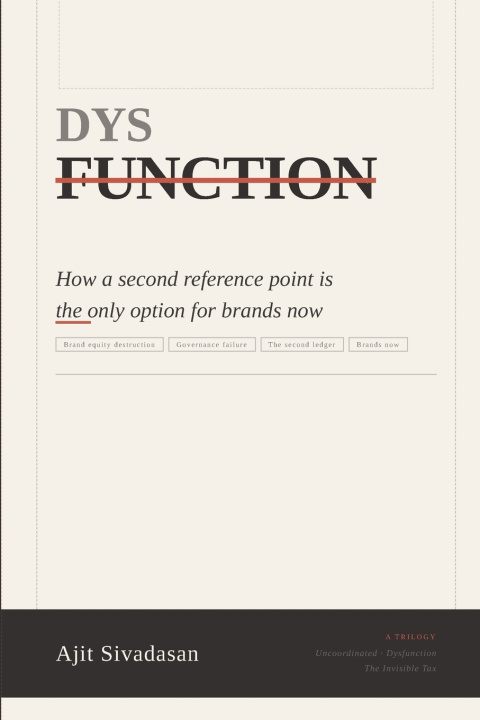
This book is the diagnosis and the prescription. Let's begin.


Információ a könyvről
Angol
