
 Kapcsolat
 Hogyan vásároljunk
Kézbesítés
Vásárlási tanácsadó
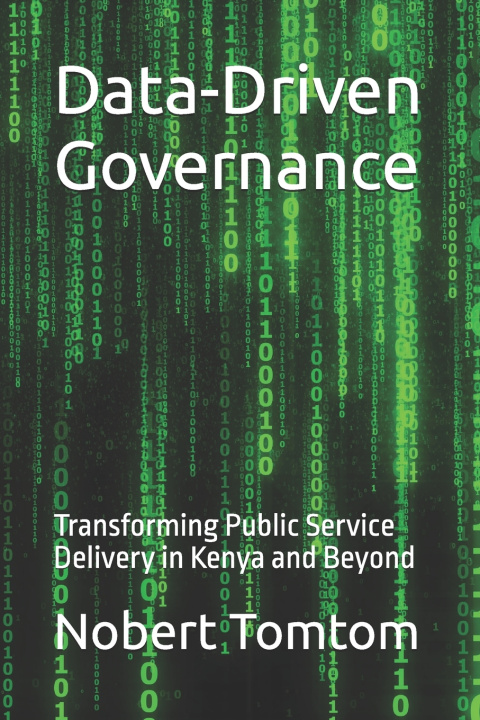
Data-Driven Governance
Transforming Public Service Delivery in Kenya and Beyond
 Angol
Angol
 55 b
55 b
30 nap a termék visszaküldésére

As Kenya strides toward a future defined by digital innovation and data-driven governance, the transformative potential of analytics in public service delivery cannot be overstated. Our nation's Vision 2030 and Digital Economy Blueprint underscore the critical role of technology in fostering efficiency, transparency, and citizen engagement. From Huduma Centres to the Maisha Namba initiative, Kenya is pioneering a model of governance that places data at the heart of decision-making, promising to enhance accountability and inclusivity across our devolved system.
Yet, with great opportunity comes great responsibility. The adoption of advanced analytics, artificial intelligence, blockchain, and other emerging technologies must be guided by robust ethical frameworks to safeguard the rights and dignity of every Kenyan. The Data Protection Act 2019 serves as a cornerstone for ensuring that data-driven governance respects privacy, promotes fairness, and builds public trust. As we harness data to address challenges like inequality, urbanization, and climate risks, we must remain vigilant against risks such as algorithmic bias, surveillance overreach, and data misuse, particularly for marginalized communities.
This book, Data-Driven Governance: Transforming Public Service Delivery in Kenya and Beyond, provides a comprehensive roadmap for implementing analytics systems that are both innovative and responsible. It outlines practical strategies for overcoming technical, institutional, and ethical barriers, drawing on Kenya's experiences and global best practices. From designing interoperable systems to fostering citizen-centric engagement, the chapters offer actionable insights for policymakers, practitioners, and scholars committed to advancing governance in developing nations.
I am particularly encouraged by the emphasis on ethical guardrails, citizen inclusion, and regional collaboration. The case studies, ranging from Estonia's X-Road to South Africa's AI ethics framework, demonstrate how Kenya can adapt global models while rooting them in our unique context. The proposed playbook for scaling Kenya's successes across Africa aligns with our commitment to lead in ethical data governance, fostering trust and cooperation within the East African Community and the African Continental Free Trade Area.
This work is a timely call to action for all stakeholders-government, private sector, civil society, and citizens-to collaborate in building a data-driven future that is equitable, transparent, and sustainable. Together, we can create a governance model that not only transforms public services in Kenya but also inspires the continent and beyond.


Információ a könyvről
Angol
Kategória
