Ingyenes szállítás 19 990 Ft feletti rendelés esetén – Packeta, Fox Post Box és DPD csomagpont átvétellel

Legyen része a világ minden tájáról összegyűlt könyvbarátok közösségének és élvezze a rengeteg előnyt.
Ingyenes regisztráció
Ingyenes szállítás a FoxPost futárszolgálattal, 19 990 Ft feletti vásárlás esetén
DPD gyűjtőpont 990 Ft
DPD futárszolgálat 1 190 Ft
GLS pont 1 190 Ft
Magyar Posta 1 795 Ft
PostaPont / Csomagautomata 1 690 Ft
Magyar Posta 1 690 Ft
FoxPost 1 190 Ft
Packeta 1 190 Ft
GLS futár 1 690 Ft
 Kapcsolat
 Hogyan vásároljunk
Segítség
Kézbesítés
DPD gyűjtőpont 990 Ft
DPD futárszolgálat 1 190 Ft
GLS pont 1 190 Ft
Magyar Posta 1 795 Ft
PostaPont / Csomagautomata 1 690 Ft
Magyar Posta 1 690 Ft
FoxPost 1 190 Ft
Packeta 1 190 Ft
GLS futár 1 690 Ft
Ingyenes szállítás a FoxPost futárszolgálattal, 19 990 Ft feletti vásárlás esetén
Vásárlási tanácsadó
Segíthetünk?
+36 9 6998 040
Saját fiók
▸
Üres :-(
0
Ingyenes szállítás 19 990 Ft feletti rendelés esetén – Packeta, Fox Post Box és DPD csomagpont átvétellel
Condemned Women
Sentenced to Hang in England and Wales from the Edwardian Baby Farmers to Ruth Ellis
Nyelv
 Angol
Angol
Angol
Könyv
Puha kötésű
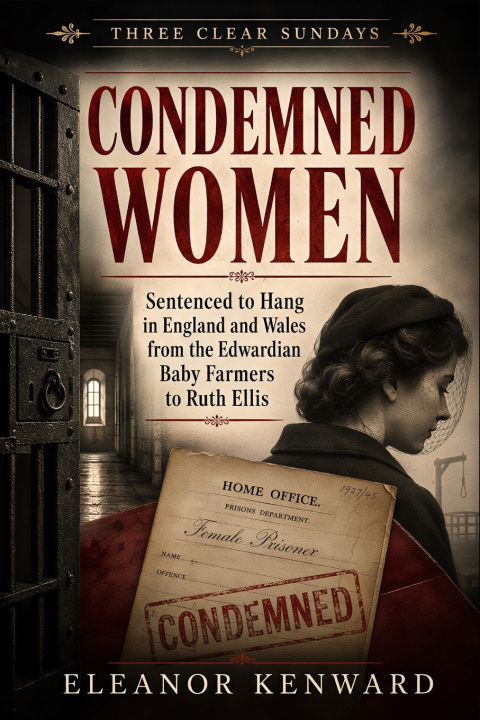
In 1955 Ruth Ellis became the last woman hanged in Britain. Everybody knowsher name.Nobody knows the...
Teljes leírás
Libristo kód: 53496448
?
 44 b
44 b
 Új
Új
44 b
Új
6 550
Ft
Beszállítói készleten
Küldés 10-16 napon belül
Akár 30 napos visszaküldési lehetőség

In 1955 Ruth Ellis became the last woman hanged in Britain. Everybody knows
her name.
Nobody knows the other hundred and fifty.Between 1900 and 1958, more than a hundred and fifty women stood in
courtrooms in England and Wales and were told they would be hanged by the
neck until they were dead. Fifteen of them were. The rest - nine out of
every ten - waited three clear Sundays in a condemned cell, watched day and
night, until a letter arrived from the Home Office and the machinery was
quietly taken apart.
Not one of them was ever told why.
There was a rule. You can see it in the outcomes. Kill a newborn in the
hours after giving birth and you would live; kill somebody else's baby for
a fee and you would hang. Be pregnant and you were untouchable. Plan it,
profit by it, lie about it - and you were finished.
Nobody wrote it down. Written down, it could have been debated in
Parliament and argued in open court. Left unwritten, it was administered by
one man in an office who never had to say a word.
Drawing on the published trial proceedings of the Old Bailey, the debates
of Parliament and the catalogue of The National Archives, CONDEMNED WOMEN
reconstructs the cases of the women the state condemned and the machinery
that decided which of them died - from the Edwardian baby farmers hanged at
Newgate and Holloway, through the factory girl at Leicester whose case
changed the criminal law of England, to the morning of 13 July 1955.
It ends with the last woman ever sentenced to death in England and Wales,
and with the one occasion in fifty-eight years when the state wrote down
its reason. That file is closed until 2041. Its description is open, and
you can read it this afternoon.
Book One of THREE CLEAR SUNDAYS.
Színésznő
&
Poliglott
EWA KASP
részére
A videó lejátszása


A Libristo rendelkezik az idegennyelvű könyvek legnagyobb kínálatával. Ezért vásárolom a könyveket itt.
Információ a könyvről
Teljes megnevezés
Condemned Women
Szerző
Eleanor Kenward
Nyelv
Angol
Angol
Kötés
Könyv - Puha kötésű
Kiadás éve
2026
Oldalszám
216
EAN
9798191776545
Libristo kód
53496448
Kiadó
Independently published
Súly
297
Méretek
152 x 229 x 12

Ajándékozza oda ezt a könyvet még ma
Nagyon egyszerű
1 Tegye a kosárba könyvet, és válassza ki a kiszállítás ajándékként opciót 2 Rögtön küldjük Önnek az utalványt 3 A könyv megérkezik a megajándékozott címére
Libroamiko könyvtanácsadó
A chat használatával generatív mesterséges intelligenciával kommunikálsz. A használatával beleegyezel a személyes adatok kezelésébe is.
Szia! Libroamiko vagyok, a könyvtanácsadód.
Miben segíthetek?
Szia, Libroamiko vagyok, segíthetek?