
 Kapcsolat
 Hogyan vásároljunk
Kézbesítés
Vásárlási tanácsadó
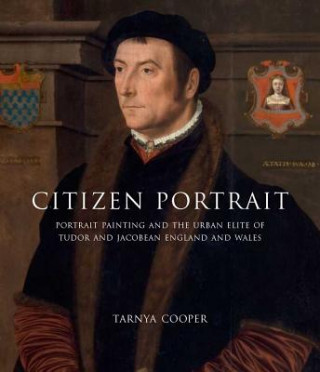
Citizen Portrait
 Angol
Angol
 115 b
115 b
Akár 30 napos visszaküldési lehetőség
A vásárlók ilyet vásároltak





















For much of early modern history, the opportunity to be immortalized in a portrait was explicitly tied to social class: only landed elites and royalty had the money and power to commission such an endeavour. But in the second half of the 16th century, access began to widen to the urban middle class, including merchants, lawyers, physicians, clergy, writers, and musicians. As more accessible portraiture proliferated in English cities and towns, the middle class gained social visibility - not just for themselves as individuals, but often for their entire class or industry. In "Citizen Portrait", Tarnya Cooper examines the patronage and production of portraits in Tudor and Jacobean England, focusing on the motivations of those who chose to be painted and the impact of the resulting images. Highlighting the opposing, yet common, themes of piety and self-promotion, Cooper has revealed a fresh area of interest for scholars of early modern British art.


Információ a könyvről
Angol

Ajándékozza oda ezt a könyvet még ma
Nagyon egyszerű
1 Tegye a kosárba könyvet, és válassza ki a kiszállítás ajándékként opciót 2 Rögtön küldjük Önnek az utalványt 3 A könyv megérkezik a megajándékozott címéreEzt is ajánljuk













 /
/
 Puha kötésű
 4 777
Ft
4 777
Ft

 /
Puha kötésű
6 028
Ft
/
Puha kötésű
6 028
Ft


 /
Puha kötésű
9 905
Ft
/
Puha kötésű
9 905
Ft





Szia! Libroamiko vagyok, a könyvtanácsadód.
Miben segíthetek?