
 Kapcsolat
 Hogyan vásároljunk
Kézbesítés
Vásárlási tanácsadó
 Angol
Angol
 56 b
56 b
A vásárlók ilyet vásároltak





 /
/
 Puha kötésű
 13 851
Ft
13 851
Ft





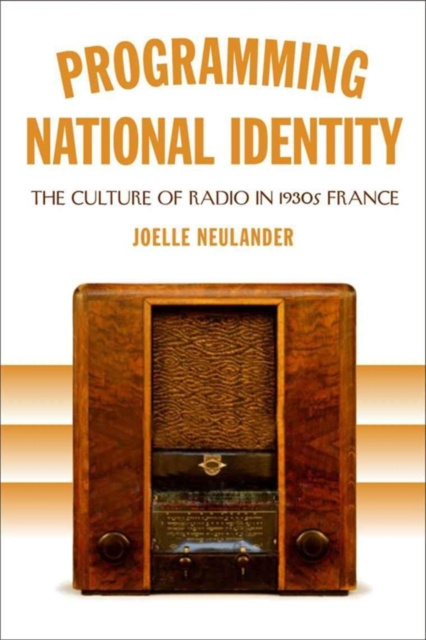
Radio provided a new and powerful medium in 1930s France. Devoted audiences responded avidly to their stations' programming and relied on radio as a source of daily entertainment, news, and other information. Within the comfortable, secure space of the home, audio culture reigned supreme. In Programming National Identity, Joelle Neulander examines the rise of radio as a principal form of mass culture in interwar France, exploring the intricate relationship between radio, gender, and consumer culture. She shows that, while entertaining in nature and narrative in structure, French radio programming was grounded in a politically and socially conservative ideal.In the early years of radio, France was the only Western nation -- apart from Australia -- to have both private and public radio stations. Commercial station owners created audiences and markets from a scattered group of radio enthusiasts, relying on traditional ideas about French identity, family, and community ties. Meanwhile, the government-run stations tried to hew an impossible compromise, balancing the nonpolitical entertainment that listeners desired with educational programs that supported state over private interests. As a public medium operating in a private space, radio could potentially cross normal gender and social boundaries. Programmers responded, Neulander shows, by restricting broadcast content, airing only programs deemed appropriate for a proper French home. Accordingly, radio culture espoused normative gender roles and traditional notions of the family.Neulander analyzes radio program schedules and content, including plays and songs, and explains how programmers, governments, station owners, and average citizens fought over what was aired. On French radio, she shows, the best families had working fathers, homemaking mothers, and money in the bank. Indeed, for radio characters, bourgeois stability proved a prerequisite for happiness, and characters who did not fit the ideal often served as bad examples. Although the left-wing Popular Front controlled the French government during the late 1930s, both public and private radio portrayed the working class negatively -- usually as buffoons or criminal characters. Indeed, Maurice Chevalier, better known today for his film career, first cultivated his working-class playboy image on 1930s radio, and legendary radio artist Edith Piaf rose to fame singing tragic tales of prostitutes.Neulander also examines French radio's ambivalent stance toward the colonial world featured in so many plays and songs. The colonies represented a perceived threat to the traditional French patriarchal family and home, so broadcasters stereotyped them as alien, often perilous spaces. Yet love songs by French-perceived exotic types like Tino Rossi proved wildly popular.The first work in English about interwar French radio, Programming National Identity reveals the persistence of conservative notions of family and nation that challenged the failing liberal democracy of the Popular Front at the end of the Third Republic.


Információ a könyvről
Angol
Kategória

Ajándékozza oda ezt a könyvet még ma
Nagyon egyszerű
1 Tegye a kosárba könyvet, és válassza ki a kiszállítás ajándékként opciót 2 Rögtön küldjük Önnek az utalványt 3 A könyv megérkezik a megajándékozott címéreEzt is ajánljuk









Szia! Libroamiko vagyok, a könyvtanácsadód.
Miben segíthetek?