
 Kapcsolat
 Hogyan vásároljunk

Kézbesítés
Vásárlási tanácsadó
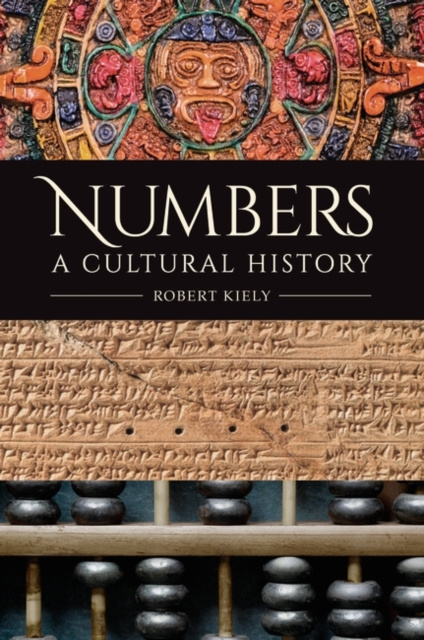
Numbers: A Cultural History
 Angol
 67 b
A vásárlók ilyet vásároltak






 /
 Puha kötésű
 11 445
Ft



Mathematics is often referred to as a universal language, and that is a fitting description. Many cultures have contributed to mathematics in fascinating ways, but despite its universal character, mathematics is also a human endeavor. It has played pivotal roles in societies at particular times; and it has influenced, and been influenced by, a wide range of ideas and institutions, from commerce to philosophy. Ancient Egyptian views of mathematics, for example, are tied closely to engineering and agriculture. Some European Renaissance views, on the other hand, relate the study of number to that of the natural world.Numbers, A Cultural History seeks to place the history of mathematics into a broad cultural context. While it treats mathematical material in detail, it also relates that material to other subject matter: science, philosophy, navigation, commerce, religion, art, and architecture. It examines how mathematical thinking grows in specific cultural settings and how it has shaped those settings in turn. It also explores the movement of ideas between cultures and the evolution of modern mathematics and the quantitative, data-driven world in which we live.


Információ a könyvről
Angol

Ajándékozza oda ezt a könyvet még ma
Nagyon egyszerű
1 Tegye a kosárba könyvet, és válassza ki a kiszállítás ajándékként opciót 2 Rögtön küldjük Önnek az utalványt 3 A könyv megérkezik a megajándékozott címéreEzt is ajánljuk














Szia! Libroamiko vagyok, a könyvtanácsadód.
Miben segíthetek?