
 Kapcsolat
 Hogyan vásároljunk
Kézbesítés
Vásárlási tanácsadó
 Angol
Angol
 62 b
62 b
 Új
Új
30 nap a termék visszaküldésére

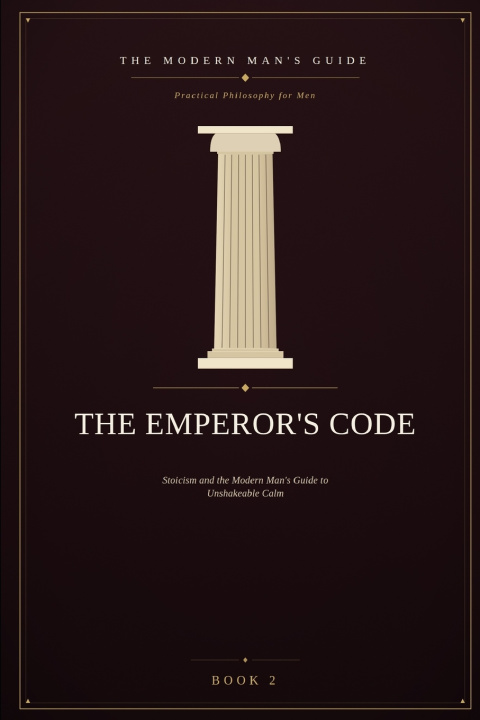
This is not a scholarly history of Stoicism. There are good histories of Stoicism. This is not one of them. This is a manual.
Part 1 gives you the lineage. Six short chapters tracing Stoicism from its founding in Athens around 300 BC through its Greek phase, its Roman phase, its Christian absorption, its near-death in the medieval period, and its modern revival. You need this so you know whose teaching you are picking up. A practice is more usable when it has a history, when it has been tested by serious men in serious times. Stoicism has both.
Part 2 is the system. Seven principles that together form the Stoic operating system. The logos - the rational pattern of the universe that Stoics took as their starting point. The four virtues - wisdom, courage, justice, self-control - that define what a good human being looks like. The three disciplines - desire, action, assent - that you practice every day. And four key practices that hold it all together: memento mori, amor fati, premeditatio malorum, and the larger principle of living according to nature.
Part 3 is application. The same fields the other books in this series cover, but viewed through the systematic lens you have just built. Career, marriage, body, sons, resilience. The Stoic answers, applied.
Three appendices follow. A thirty-day practice plan that integrates the system into your weeks. Key quotations from Marcus Aurelius, Seneca, and Epictetus that are worth memorizing. A recommended reading list for the man who wants to go deeper.


Információ a könyvről
Angol
Kategória

Ajándékozza oda ezt a könyvet még ma
Nagyon egyszerű
1 Tegye a kosárba könyvet, és válassza ki a kiszállítás ajándékként opciót 2 Rögtön küldjük Önnek az utalványt 3 A könyv megérkezik a megajándékozott címéreSzia! Libroamiko vagyok, a könyvtanácsadód.
Miben segíthetek?